Birchwood Casey Torque Limiter Set
Birchwood Casey Torque Limiter Set

Mounting optics correctly requires more than just tightening screws until they feel snug or going all old school P.F.T. Manufacturers publish torque specifications for a reason. Not reaching or exceeding those limits can cause issues such as loose mounts, inconsistent downforce, stripped fasteners, damage to mounting hardware, or even harm to the optic.
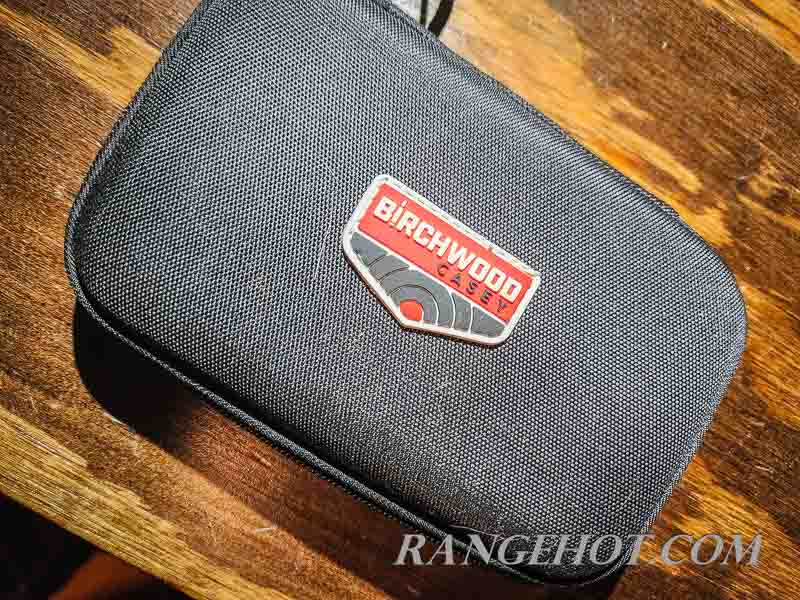
The Birchwood Casey Torque Driver Kit provides a compact and practical solution for ensuring proper torque when installing optics and accessories.
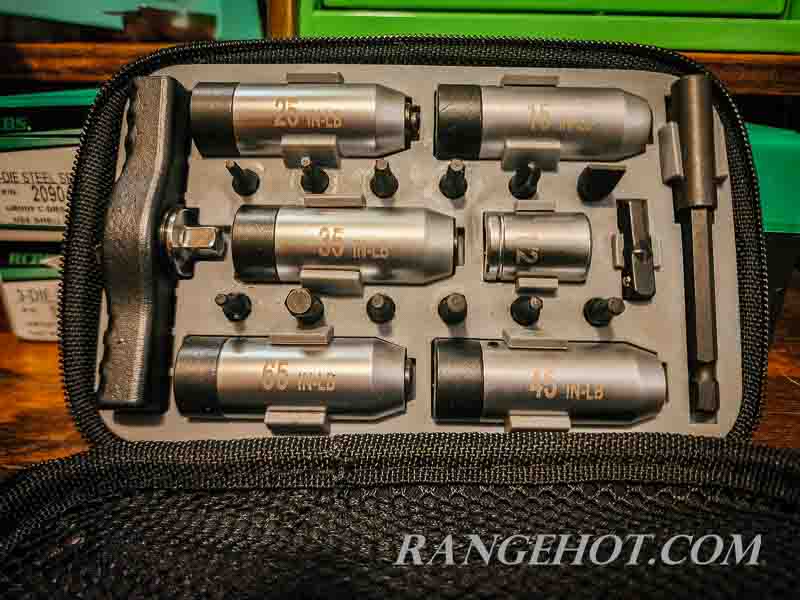
Inside the kit, you’ll find five preset torque limiters rated at 15, 25, 35, 45, and 65 inch-pounds. These values cover the majority of torque specifications commonly encountered when mounting scopes, rings, rails, and other firearm accessories.
Each torque limiter is designed to slip once the specified torque value is reached, preventing the user from accidentally over-tightening a fastener.

The drivers accept standard 1/4-inch bits, and Birchwood Casey includes several of the most common bits used in optics mounting. The kit also includes an adapter for 1/4-inch sockets, which adds flexibility if additional tools are not included in the set.
Everything is stored in a compact zippered case, making it easy to keep organized on the bench or transport to the range.
For shooters who regularly install optics or accessories, a torque driver set like this can help ensure that fasteners are tightened consistently and within manufacturer specifications.
The Birchwood Casey kit offers a simple and affordable way to accomplish that.
Key Features
- Small portable tool kit with torque limiters.
- Firearms adjustments and repairs
- Ratcheting T-handle driver
- 5 preset torque limiters – (15, 25, 35, 45, and 65 IN-LBS)
- 12 bits – (6 Hex Bits, 4 Torx Bits, 1 Flat Bit, 1 Allen Bit)
- Hex extension bar
- ¼” drive socket adapter
- Includes ½” socket
- Zipper case
- MSRP $89.99